


WATERTOOLS
PRODUCT CENTER
TO BE THE MOST VALUABLE WATER ENVIRONMENT TECHNOLOGY SOLUTION PROVIDER
APPLICATION
-
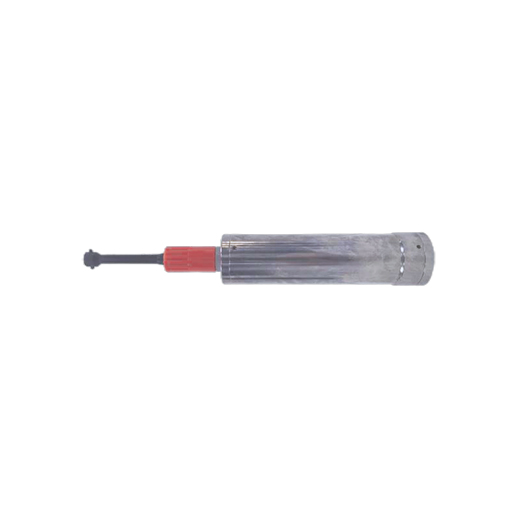 Deep Sea Chlorophyll SensorThe Deep-Sea Chlorophyll Sensor utilizes fluorescence detection technology to measure chlorophyll-a concentration in marine environments. By exciting chlorophyll-a in algae with blue light and detecting the emitted red-band fluorescence, the sensor accurately infers chlorophyll-a levels. It features high sensitivity, rapid response, and is suitable for integration with mobile platforms such as Argo floats and underwater gliders, as well as fixed platforms like moorings and ship-based water samplers for deep-sea chlorophyll-a monitoring.
-
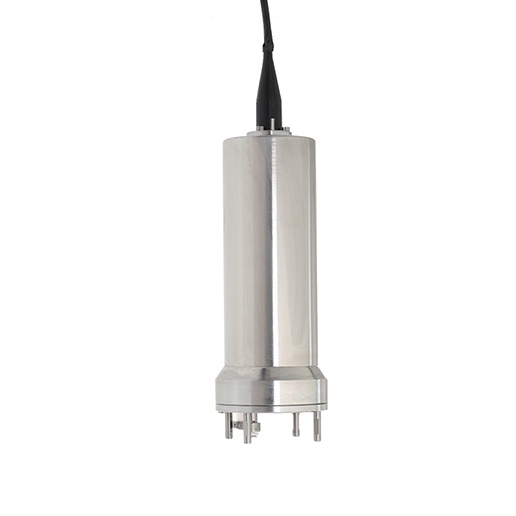 Chlorophyll and Turbidity SensorThe chlorophyll and turbidity sensor uses fluorescence method and light scattering method to measure the concentration of chlorophyll and turbidity in water. The sensor uses an integrated three-optical probe design andsignal processing consists of three parts, which can simultaneously detect seawater chlorophyll concentration, turbidity concentration and temperature, whichcan automatically correct the effects of low turbidity and chlorophyll concentration when temperature changes. In addition, the sensor is equipped with mechanical brushes, effectively prevent biological adhesion.Chlorophyllsensor use chlorophyll's fluorescence characteristics (Ex = 470 nm, Em = 685 nm) in water to obtain Chlorophyll concentration.Turbiditysensor has a light with a specific wavelength emitted by the sensor will be scattered by the particles suspended in the water, different turbidity will cause the corresponding scattered light signal to be generated and captured by the sensor.

Official WeChat

Official Website
2026 © Qingdao Watertools Technology Co., Ltd.
Lu ICP Filing No. 20004513-1