


WATERTOOLS
PRODUCT CENTER
TO BE THE MOST VALUABLE WATER ENVIRONMENT TECHNOLOGY SOLUTION PROVIDER
APPLICATION
-
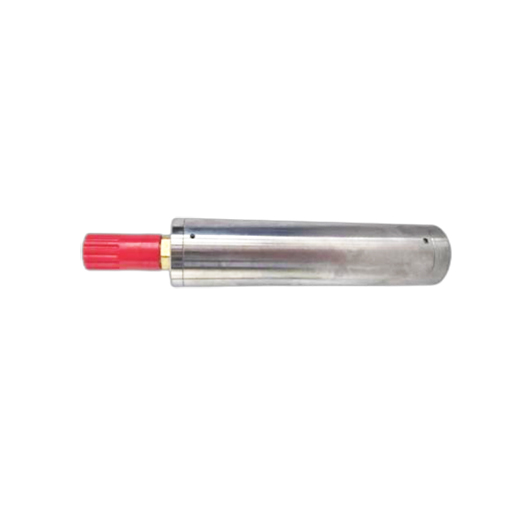 Deep Sea CDOM SensorThe deep-sea CDOM sensor is based on fluorescence measurement technology. It utilizes an ultraviolet light source to excite chromophoric dissolved organic matter CDOM in the ocean, causing it to emit fluorescence signals within specific wavelength bands. By detecting changes in fluorescence intensity, the sensor achieves precise inversion of CDOM concentration. With technical advantages such as high detection sensitivity and fast response speed, it is compatible with mobile observation platforms like Argo floats and underwater gliders, as well as fixed monitoring equipment such as moorings and shipboard water samplers. This enables multidimensional and high-precision observation of CDOM concentration in deep-sea profiles, providing crucial technical support for marine carbon cycle research and ecological environment monitoring.
-
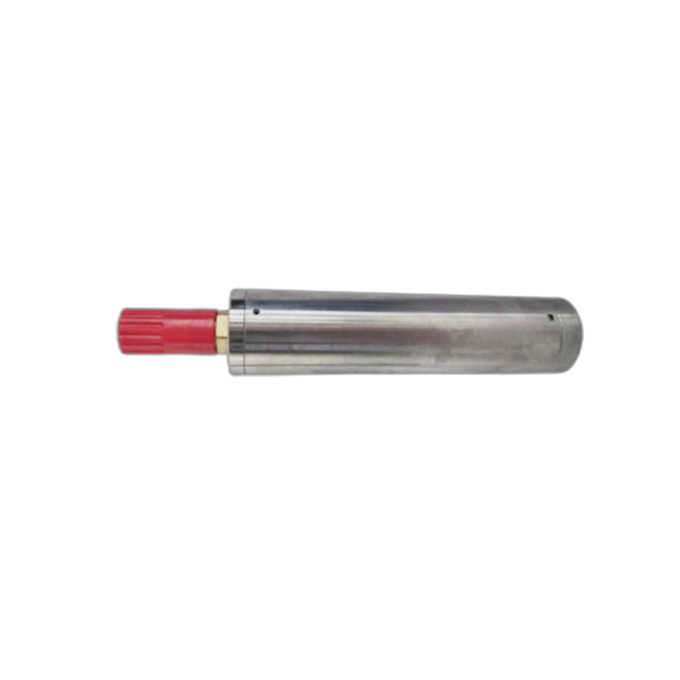 Shallow Water CDOM SensorThe shallow-water CDOM sensor operates on the principle of fluorescence measurement technology. It utilizes an ultraviolet light source to excite chromophoric dissolved organic matter (CDOM) in seawater, causing it to emit fluorescence signals within specific wavelength bands. By detecting variations in fluorescence intensity, the sensor enables accurate inversion of CDOM concentration. The sensor can be optionally equipped with a wiper device to effectively prevent biofouling, ensuring long-term monitoring reliability. Featuring high detection sensitivity and rapid response time among other technical advantages, it is compatible with mobile observation platforms such as Argo floats and underwater gliders, as well as fixed monitoring equipment like moored buoys and shipboard water samplers. This allows for multidimensional and high-precision observation of CDOM concentration in shallow-water profiles, providing critical technical support for research on marine carbon cycles and ecological environment monitoring.

Official WeChat

Official Website
2026 © Qingdao Watertools Technology Co., Ltd.
Lu ICP Filing No. 20004513-1